Journal
Dhoti vs. Lungi: What's the Difference?

Introduction
India boasts a fashion legacy that's varied, extensive, and steeped in custom. The dhoti and lungi stand out as two of the most recognisable clothes Indian men wear, among the many enduring garments found across the nation. Though they may look alike to newcomers, each piece of clothing has its own unique cultural, practical, and historical identity. Grasping these distinctions allows today's buyers, fashion experts, and culture buffs to value them beyond just their looks.
This guide breaks down the dhoti vs lungi discussion simply and clearly. If you're looking at outfits for festivals, cultural events, or just for comfort, this comparison will help you figure out what fits your style and needs.
The Difference Between Dhoti and Lungi - A Complete Breakdown
While both are wrapped lower-body outfits, the difference between dhoti and lungi shows up in their structure, use, and cultural meaning. Let's look at these differences in several areas.
1. Origin and Cultural Significance
A dhoti ranks among India's oldest traditional garments, with roots stretching back millennia. In the past, priests, scholars, and respected community leaders wore it, making it a symbol of purity and tradition. These days, people wear it at weddings, festivals, and formal cultural events.
The lungi is more laid-back. People in South India often wear it, as it stands for comfort, ease, and freedom of movement. It has a strong link to South Indian men's clothing in Kerala, Tamil Nadu, and coastal areas.
2. Structure and Material
A dhoti consists of a long rectangular piece of fabric, either cotton or silk, without stitching. People often see it in white or off-white shades, sometimes with gold or colored zari borders. To wear a dhoti, you need to pleat and tuck it, which results in its formal and elegant look.
A lungi, on the other hand, often comes in a tube-like shape with stitching. You'll find lungis in bright checks, stripes, or solid colours. Its design allows for easy movement and good air circulation, and you don't need to pleat or tuck it in any complex way. This makes the lungi a go-to choice for everyday wear in hot weather.
3. Draping Style and Ease of Wearing
Wearing a dhoti takes skill. You wrap the cloth around your waist, make pleats in the middle, and tuck it in. This neat look suits ceremonies and events that call for grace.
A lungi, though you can put it on fast. You just step in, pull it up, and tie it at your waist. Even young guys like it because it's easy, great for hanging out, doing chores, or going on casual trips.
4. When to Wear Each Garment
A dhoti is best for:
-
Weddings
-
Temple visits
-
Cultural ceremonies
-
Dance performances
-
Festivals like Pongal, Deepavali, and Onam
People often wear the lungi:
-
At home every day
-
When it's hot in summer
-
At the beach
-
At laid-back community gatherings
-
In rural areas and by the coast
To sum up, the dhoti looks classy; the lungi feels comfy.
5. Fashion and Modern Adaptations
Today's fashion includes both these clothes. Designers now mix old styles with new uses, making cool options in cotton, linen, and even fancy silk.
Dhoti pants, ready-made dhotis, and mix-and-match outfits have made dressing up for parties easier. People looking to buy men's dhotis online can find many stitched and adjustable choices that work well for weddings and ceremonies.
Lungis have changed over time. They now use fabrics that let air through, have cool designs, and come with updated waistbands.
6. Symbolism and Cultural Identity
People often see the dhoti as a sign of respect and spirituality. In many groups, older folks like to wear it for events that mean a lot or have religious importance.
The lungi, on the other hand, stands for simple living and pride in one's area. Its bright designs show off local culture and art skills. Both these clothes help keep traditional dress alive in today's India.
Dhoti vs Lungi in Modern Indian Ethnic Wear
The younger crowd now mixes comfort with culture. As Indian ethnic wear and dressing up for festivals become more popular, both these garments are making a big comeback.
Celebrities, traditional dancers, influencers, and grooms now wear dhotis and lungis in new ways. From stitched borders to top-quality cotton, the options look better than before.
Companies like MCR Shopping sell top-notch fabrics and sleek designs that stay true to tradition while offering modern comfort.
When you dress up for men's festival clothes or just to relax, picking between a dhoti and a lungi depends on the event and how comfy you want to be.
Picking the Right Outfit for the Right Event
To decide between the two, think about:
-
Why you're wearing it:
-
Dhoti = formal or for ceremonies
-
Lungi = casual or for everyday
-
How comfy it is:
-
The lungi suits active lifestyles and hot weather
-
The dhoti looks stately but requires careful arranging
-
Style Preference:
-
The dhoti embodies elegance and tradition
-
The lungi represents ease and self-expression
-
Fabric Choices:
-
Dhoti: cotton, silk, jacquard
-
Lungi: cotton, fabric blends
These garments stand the test of time and remain key parts of India's fashion landscape.
The discussion about dhoti vs lungi doesn't focus on which one is superior; it centres on the occasions, methods, and reasons for wearing each piece of clothing. A dhoti symbolises grace and custom, while the lungi represents ease and cultural roots. Grasping these details helps you pick the suitable attire for different situations, be it a big celebration or a laid-back day at home.
Men in India today wear both garments, striking a balance between heritage and practical fashion. Thanks to modern twists and online shopping, finding the ideal pattern, material, and style to match your character has become simpler than ever.
Shop the story
Men Dhotis Collection
-
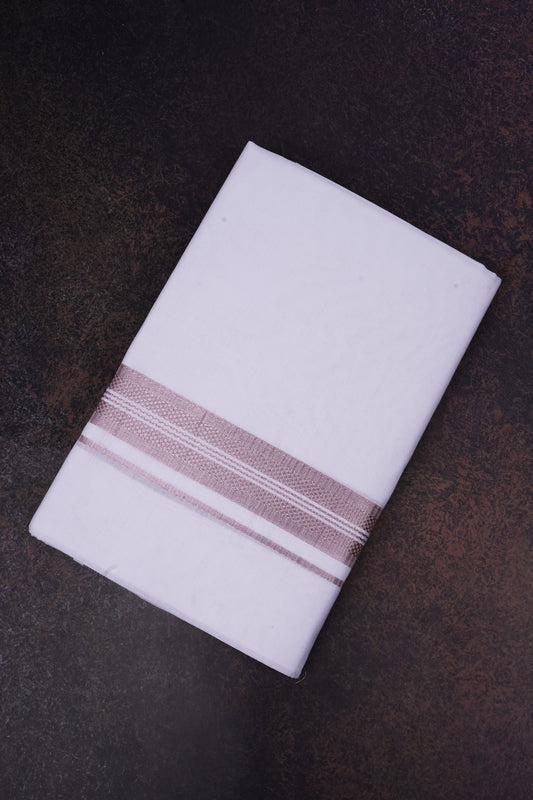
White Cotton Blend Dhoti Single Weave with Rose Jari Border 2.00 m | Luxe 14
Regular price Rs. 610.00Regular priceDhoti Size:2.00mtr
-
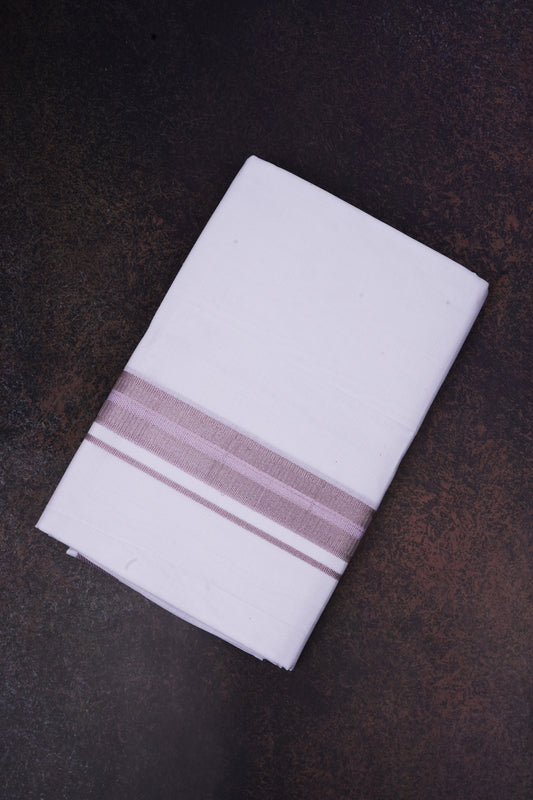
Luxe 13 White Cotton Blend Dhoti Single Weave with Rose Jari Border 2.00 m
Regular price Rs. 610.00Regular priceDhoti Size:2.00mtr
-
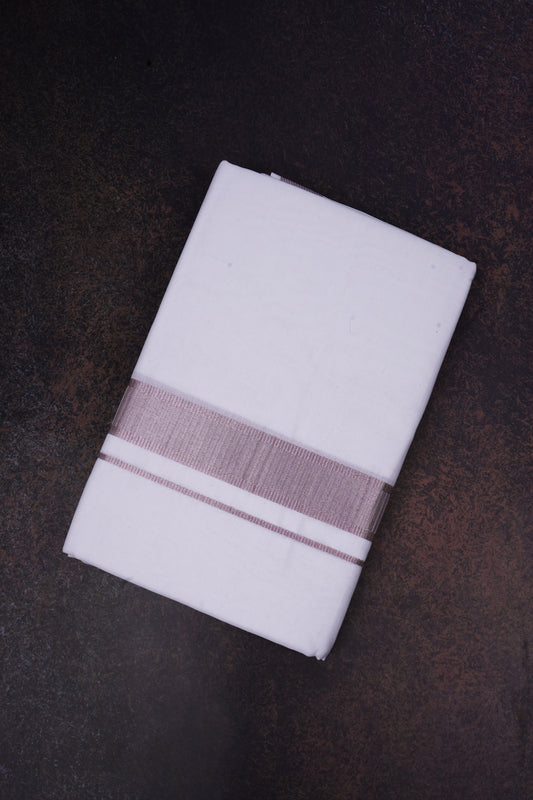
Luxe 12 White Cotton Blend Dhoti Single Weave with Rose Jari Border 2.00 m
Regular price Rs. 610.00Regular priceDhoti Size:2.00mtr
-
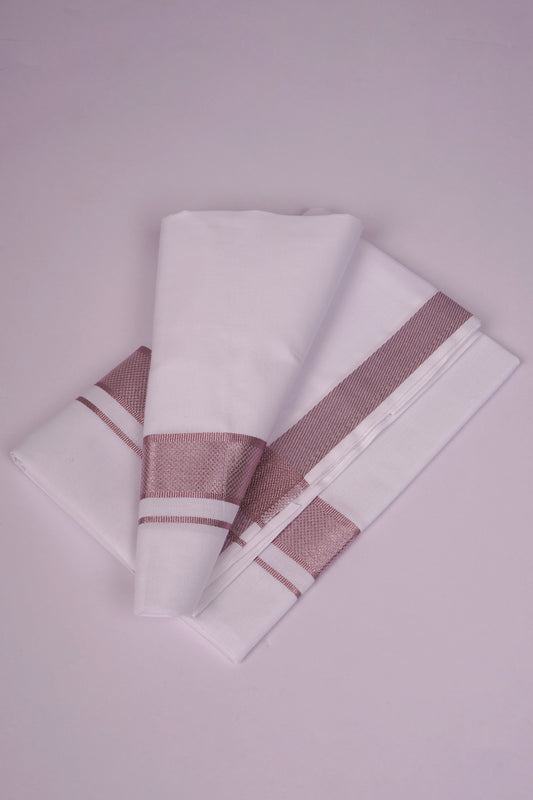
Mens White Single Dhoti Cotton Blend with Rose Jari Border - 2.00M | RGS-01
Regular price Rs. 610.00Regular priceDhoti Size:2.00mtr